Mastering Digital Portraiture with the Multiple Face Brush
Digital art has evolved from a niche hobby into a robust professional industry, yet one challenge remains constant for creators: efficiency. Whether you are illustrating a comic book, designing character concepts for a game, or creating social media content, drawing faces repeatedly can become tedious. This is where specialized tools like the Multiple Face Brush come into play. It is not just about saving time; it is about maintaining consistency and freeing up mental energy for the creative aspects of storytelling and design.
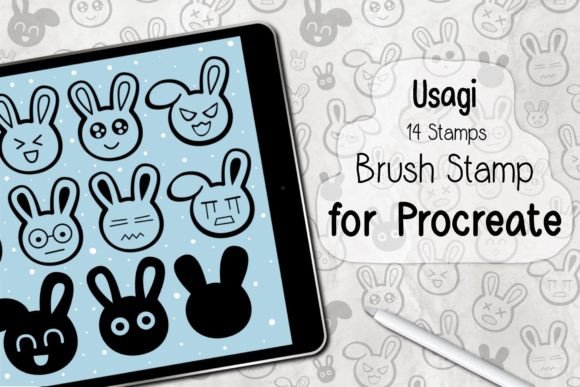
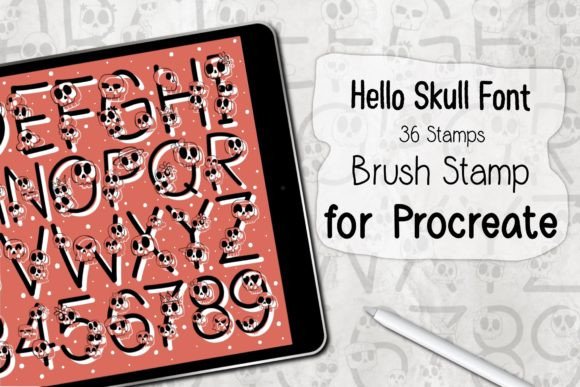
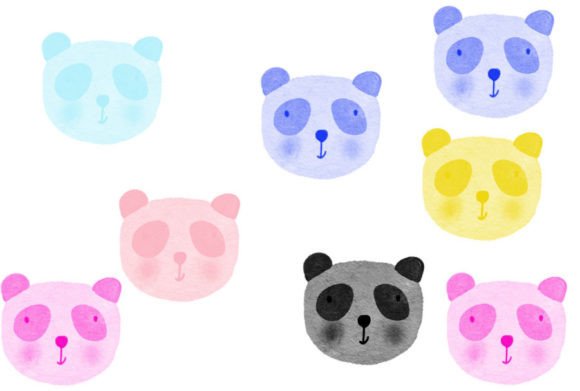
When we talk about a brush set that includes specific assets like a single, highly optimized Multiple Face Brush, we are discussing a tool designed to streamline the workflow of digital painters. The package typically arrives as a simple ZIP file containing either .brushes or .swatches, depending on your software of choice. While it might seem minimal to receive just one brush, the value lies in its specialization. This isn’t a generic round tip; it is a engineered stamp or shape dynamic designed to handle the complexities of facial features or entire head structures with a single stroke or click.
Why Single-Asset Tools Matter in Professional Workflows
In the world of digital creation, there is a common misconception that more is better. Beginners often download massive packs containing thousands of brushes, only to feel overwhelmed and stick to the default round hard-edge brush anyway. Professionals, however, curate their toolkits ruthlessly. A single, high-quality Multiple Face Brush can be more valuable than a hundred mediocre ones because it solves a specific problem reliably.
Consider the scenario of a concept artist working under a tight deadline. They need to iterate through twenty different character designs for a client pitch. Drawing each face from scratch, ensuring proper anatomy and perspective every time, is exhausting. By using a specialized face brush, they can block out the basic structure instantly. This allows them to focus on what truly matters: the expression, the lighting, and the unique personality of the character. The brush handles the heavy lifting of proportion, while the artist provides the soul.
Real-World Applications Across Industries
The utility of this tool extends far beyond traditional illustration. Different users leverage the Multiple Face Brush in unique ways depending on their end goals.
Comic Book Artists and Illustrators
For comic creators, consistency is key. If a character appears in fifty panels, their face needs to look recognizable in each one. Using a custom brush helps maintain structural integrity across different angles. Instead of redrawing the jawline and eye placement from memory every time, the artist uses the brush as a foundational layer. They can then tweak and refine over the top, ensuring that the character remains "on model" without spending hours on repetitive sketching.
Social Media Content Creators
Marketing professionals and influencers often need to create quick, engaging visuals. A blogger writing about psychology might need simple avatars to represent different emotions in an infographic. Rather than hiring an illustrator for every post, they can use the Multiple Face Brush to generate clean, stylized face outlines. These can be colored and accessorized quickly to match their brand aesthetic, allowing for rapid content production without sacrificing visual quality.
Educators and E-Learning Developers
Teachers creating online courses often use visual aids to keep students engaged. When explaining topics related to biology, psychology, or even language learning (such as describing facial expressions), having a quick way to insert clear, neutral face diagrams is invaluable. The brush allows educators to customize expressions rapidly, making abstract concepts more relatable and easier to understand for learners of all ages.
Technical Considerations Before You Download
Before integrating the Multiple Face Brush into your workflow, it is important to understand the technical side. The product description notes that the ZIP file contains either .brushes or .swatches. This distinction is crucial.
- .brushes files are typically compatible with software like Adobe Photoshop, Procreate, or Clip Studio Paint. These define the shape, spacing, jitter, and dynamics of the tool.
- .swatches files are often used in programs like Adobe Illustrator or Affinity Designer. These act more like stamps or symbols that you place onto the canvas rather than paint with.
You must verify which format your preferred software supports. Installing the wrong file type will lead to frustration. Furthermore, since this is a single-brush pack, ensure that your software version is up to date. Older versions of digital art programs may not support newer brush engines or file formats, rendering the download useless.
Maximizing the Potential of Your Tool
Owning the tool is only half the battle; knowing how to use it effectively is where the real benefit lies. Here are practical tips for getting the most out of your Multiple Face Brush:
- Experiment with Opacity and Flow: Do not just click and accept the result. Lower the opacity to use the brush as a subtle guide underneath your manual sketching. This hybrid approach gives you the speed of the stamp with the organic feel of hand-drawn lines.
- Combine with Layer Masks: Use the brush on a separate layer and apply a mask. This allows you to erase parts of the face that don’t fit your composition without destroying the original brush stroke. It offers non-destructive editing flexibility.
- Customize the Color Dynamics: Most digital art software allows you to link brush color to pen pressure. Tweak these settings so that the Multiple Face Brush responds naturally to your hand, adding depth and variation to each stroke.
Avoiding the "Cookie-Cutter" Trap
A common concern among artists is that using pre-made brushes will make their work look generic. This is a valid concern, but it is entirely avoidable. The Multiple Face Brush should be viewed as a starting point, not the finish line. Think of it like a photographer using a preset filter. The filter sets the tone, but the photographer still chooses the subject, the lighting, and the composition.
To keep your work unique, always follow up the brush stroke with manual detailing. Add asymmetry, adjust the eye shape, or change the mouth curvature. Use the brush to establish the base geometry, then let your individual style shine through in the refinement phase. This balance between automation and artistic input is what separates amateur usage from professional mastery.
In conclusion, the Multiple Face Brush is a pragmatic solution for modern digital creators. It addresses the need for speed and consistency without compromising the potential for artistic expression. Whether you are a freelancer looking to bill fewer hours per project, a marketer needing quick visuals, or an educator simplifying complex ideas, this tool offers tangible benefits. By understanding its technical requirements and integrating it thoughtfully into your workflow, you can elevate your productivity and focus more on the creative decisions that truly matter.