Mastering Visual Texture: A Strategic Guide to the Four Side Brush
In the digital creative landscape, efficiency is not merely about speed; it is about precision and the ability to translate intent into visual reality without friction. For designers, illustrators, and digital artists, the toolset defines the workflow. Among the myriad of assets available, the Four Side Brush stands out not as a novelty, but as a specialized instrument designed to solve specific textural and structural challenges. Understanding how to leverage this tool requires moving beyond simple application and toward a strategic integration into your broader design philosophy.
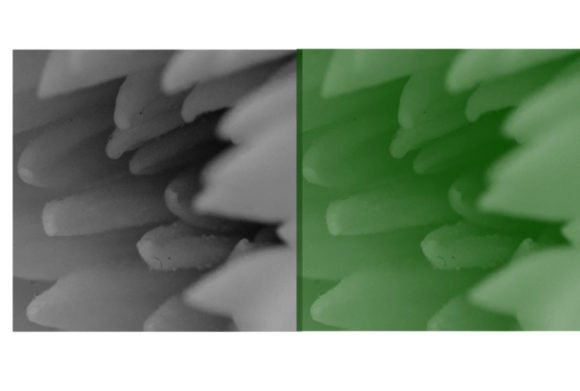
The core value of the Four Side Brush lies in its versatility. Unlike standard round or flat brushes that require constant rotation or manual adjustment to achieve varied edge effects, this brush is engineered to provide distinct textural outputs from multiple angles. This capability allows for a more organic, less repetitive aesthetic in digital paintings, concept art, and graphic design projects. When you download the package, you are not just acquiring a single file; you are gaining access to a streamlined workflow enhancer. The ZIP file contains the essential .brushes or .swatches format, ensuring compatibility with major industry-standard software. Inside, you will find exactly one highly optimized brush, distilled to perform a specific function with maximum efficacy.
Strategic Integration into Professional Workflows
For professionals managing tight deadlines, the decision to adopt a new tool must be justified by tangible improvements in output quality or time savings. The Four Side Brush offers both, but only if applied with intention. Consider the phase of initial blocking in concept art. Traditionally, artists might spend significant time refining edges to avoid the "digital look"—that sterile, overly smooth appearance that plagues amateur work. By utilizing the four-sided nature of this brush, you can introduce immediate structural variation. Each side of the brush tip likely offers a slightly different texture or hardness profile, allowing you to paint complex surfaces like stone, fabric, or foliage with fewer strokes.
This reduction in stroke count is critical for maintaining artistic momentum. When you are in a flow state, interruptions to adjust settings or switch tools can break concentration. The Four Side Brush minimizes these micro-interruptions. It serves as a reliable default for mid-stage detailing, where broad shapes need definition but full rendering is premature. By integrating this tool into your standard kit, you create a consistent baseline for texture application across different projects, which is invaluable for agencies or freelancers who need to maintain a cohesive style while working on diverse client briefs.
Enhancing Branding and Visual Identity
Beyond illustration, the strategic use of textured brushes plays a pivotal role in branding and marketing materials. In an era where digital interfaces often lean toward minimalism, brands seeking to convey authenticity, craftsmanship, or tactile quality can benefit from subtle textural elements. The Four Side Brush can be employed to create custom backgrounds, unique dividers, or organic accents in social media graphics and web design.
For marketers and small business owners, this means differentiating your visual identity without hiring expensive custom illustrators for every asset. By mastering this single brush, you can generate a library of reusable textures that align with your brand’s voice. Whether it is adding a rough, hand-drawn feel to a tech startup’s infographic to soften its image, or creating elegant, textured borders for a luxury boutique’s newsletter, the tool supports nuanced communication. The key is consistency. Use the brush to establish a visual language that customers associate with your brand’s values—be it rugged durability or artisanal care.
Decision-Making: When to Use and When to Avoid
No tool is universal, and recognizing the limitations of the Four Side Brush is as important as understanding its strengths. Strategic decision-making involves knowing when this tool adds value and when it might hinder clarity. It is most effective in contexts where organic variation is desired. If you are working on precise technical illustrations, architectural renderings, or UI elements that require pixel-perfect geometric accuracy, this brush may introduce unwanted noise. In such cases, stick to hard-edged vector tools or standard hard-round brushes.
Furthermore, consider the scale of your project. The Four Side Brush shines in medium-to-large canvas environments where texture resolution is visible. On very small icons or mobile-first designs viewed at low resolutions, the nuanced details of the four sides may be lost, potentially appearing as muddy artifacts rather than intentional texture. Always test the brush at the final output size before committing to a full design layer. This proactive approach prevents rework and ensures that every element serves a clear communicative purpose.
Risks of Unintentional Application
A common pitfall for creators is the random application of textured brushes without a clear compositional goal. Using the Four Side Brush indiscriminately can lead to visual clutter. When every element competes for attention through heavy texture, the hierarchy of information collapses. Viewers may struggle to identify the focal point, leading to higher bounce rates on websites or lower engagement with marketing materials.
To mitigate this risk, adopt a disciplined approach. Limit the use of the Four Side Brush to specific layers or zones within your composition. Use it to guide the eye rather than distract it. For instance, apply heavier texture in the background to push it back visually, while keeping foreground elements cleaner and sharper. This contrast creates depth and directs user attention strategically. Remember, the goal is not to show off the tool’s capabilities, but to use those capabilities to enhance the overall message.
Practical Planning for Long-Term Value
To extract long-term value from the Four Side Brush, integrate it into your personal or team asset library with proper documentation. Create a simple guide or preset pack that outlines optimal settings for different scenarios. For example, note which brush dynamics (such as opacity jitter or size pressure) work best with this specific brush file. This institutional knowledge ensures that even if team members change, the quality of output remains consistent.
Additionally, experiment with blending modes. The Four Side Brush may interact differently with layers set to Multiply, Overlay, or Soft Light. Testing these combinations during a planning phase can reveal new creative avenues. Perhaps the brush works exceptionally well for shadow casting when set to Multiply at 30% opacity, or for highlighting textures when used with Overlay. Documenting these findings transforms a simple download into a comprehensive resource that supports ongoing creativity and productivity.
- Compatibility Check: Ensure your software version supports the provided
.brushesor.swatchesformat before starting critical projects. - Contextual Testing: Always test the brush on a sample canvas that matches your final output dimensions and resolution.
- Layer Management: Use separate layers for textured elements to maintain flexibility in editing and adjustments.
- Consistency Protocols: Define clear guidelines for when and how the brush should be used within team projects to maintain brand coherence.
Ultimately, the Four Side Brush is a testament to the power of specialized tools in a generalized workflow. It does not replace fundamental skills, but it amplifies them. By approaching this tool with strategic intent—considering its impact on workflow efficiency, brand identity, and visual hierarchy—you transform a simple digital asset into a cornerstone of your creative process. The included single brush is not a limitation; it is a focus. It invites you to master one instrument deeply rather than skimming the surface of many. In doing so, you achieve greater control, better results, and a more refined professional output.
As you incorporate this brush into your repertoire, remember that technology serves vision. Let the Four Side Brush handle the textural heavy lifting, freeing your mental energy to focus on composition, storytelling, and strategic messaging. This balance between technical utility and creative direction is what separates competent practitioners from exceptional ones. Download the ZIP, explore the single brush within, and begin the process of intentional, strategic creation.