Nice Brush 33: A Strategic Asset for Digital Precision and Brand Consistency
In the landscape of digital creation, whether you are designing marketing collateral, illustrating educational materials, or refining brand assets for a startup, the tools you choose dictate the efficiency of your workflow. Nice Brush 33 represents more than a simple digital asset; it is a specialized instrument designed to streamline specific visual tasks. For professionals who understand that time is a finite resource, integrating high-quality, purpose-built tools into their creative stack is not a luxury—it is an operational necessity. This article explores how leveraging this specific brush can enhance your output quality, maintain brand consistency, and reduce the friction often associated with repetitive design tasks.
Understanding the Utility of Nice Brush 33
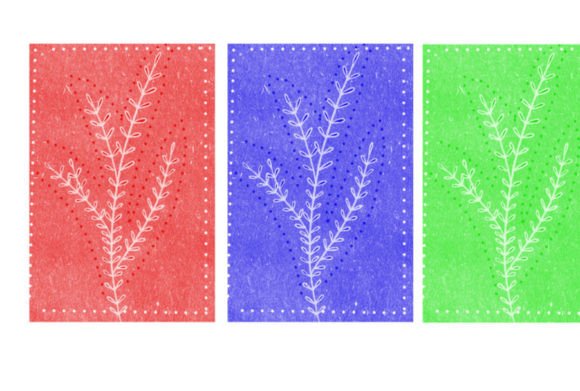
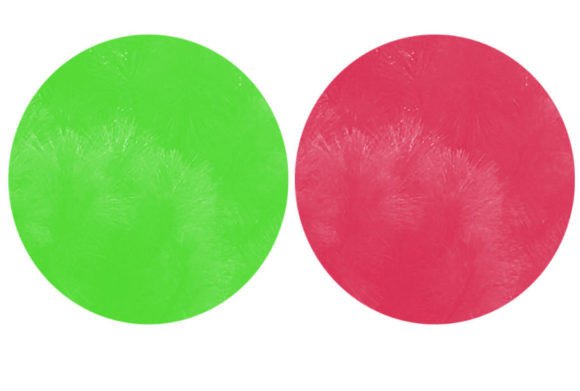
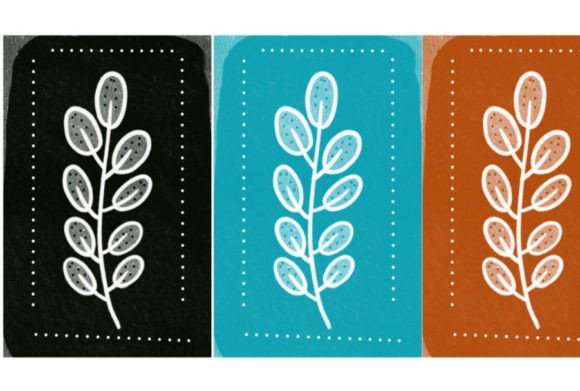
At its core, Nice Brush 33 is a single, highly optimized digital brush included in a downloadable ZIP file containing either .brushes or .swatches formats. While the package is minimal—containing just one brush—its value lies in its specificity. Unlike broad, generic toolsets that require extensive customization before they become useful, Nice Brush 33 is engineered for immediate deployment. This "plug-and-play" nature appeals to entrepreneurs and freelancers who need to execute ideas quickly without getting bogged down in technical configuration.
The strategic advantage here is reduction of cognitive load. When you are focused on messaging, layout, or user experience, having a reliable tool that behaves predictably allows you to stay in a state of flow. Whether you are a blogger creating custom header images or a marketer designing social media graphics, the consistency provided by a dedicated tool like Nice Brush 33 ensures that your visual language remains coherent across different platforms.
Strategic Applications for Professionals and Creators
The utility of Nice Brush 33 extends beyond mere aesthetics. It serves as a functional component in broader business and creative strategies. Consider the following scenarios where intentional use of this tool can drive better results:
- Brand Identity Reinforcement: For small business owners and marketers, consistency is key to recognition. Using a distinct brush stroke style consistently across your website, email newsletters, and social media posts creates a subtle but powerful visual signature. Nice Brush 33 can become part of your brand’s visual vocabulary, distinguishing your content from competitors who rely on stock templates.
- Educational Content Clarity: Educators and publishers often need to highlight specific information or create hand-drawn diagrams to explain complex concepts. A precise, clean brush allows for clarity without the messiness of amateur sketching. Nice Brush 33 offers the control needed to produce professional-looking annotations that enhance learning outcomes rather than distracting from them.
- Rapid Prototyping for Entrepreneurs: When testing new product ideas or service offerings, speed is essential. Entrepreneurs can use Nice Brush 33 to quickly mock up user interface elements, storyboards, or concept art. The ability to iterate visually without waiting for a dedicated designer accelerates the feedback loop and helps validate ideas faster.
Decision-Making: When to Integrate Nice Brush 33
Adopting any new tool requires a cost-benefit analysis. While Nice Brush 33 is likely a low-cost or free addition to your library, the real cost is the time spent learning and integrating it. Before downloading the ZIP file and installing the .brushes or .swatches, consider your current workflow gaps.
If you find yourself repeatedly trying to recreate a specific texture or line weight using default tools, resulting in inconsistent outputs, then Nice Brush 33 is a strategic fit. It solves a specific problem: the need for a reliable, repeatable visual element. However, if your work requires highly varied, organic, or unpredictable textures, a single specialized brush may not suffice. In such cases, it should be viewed as one component of a larger toolkit rather than a standalone solution.
Key consideration: Does this tool align with your long-term visual strategy? If you are building a brand that values precision and minimalism, a well-crafted brush like Nice Brush 33 supports that narrative. If your brand is chaotic and eclectic, ensure that the brush’s style complements rather than contradicts your overall aesthetic.
Risks of Unintentional Use
Even the best tools can lead to poor outcomes if used without clear intent. One common pitfall is over-reliance on a single asset. Using Nice Brush 33 for every visual element can make your content feel repetitive and stale. Audiences are perceptive; they notice when creators take shortcuts. To mitigate this risk, use the brush strategically for accentuation, highlighting, or structural elements, while varying other aspects of your design.
Another risk is context mismatch. A brush that works beautifully for a creative hobbyist’s journal may appear unprofessional in a corporate whitepaper. Always evaluate the tone of your communication before applying the tool. Ask yourself: Does this visual choice support the message I am trying to convey? If the answer is unclear, step back and reassess your goals.
Implementation Guide for Maximum Impact
To extract the maximum value from Nice Brush 33, follow these practical steps for integration:
- Test Across Platforms: Install the brush in your primary software (e.g., Photoshop, Procreate, or compatible applications). Test its behavior at different sizes and opacities. Understand its limits so you can push it effectively when needed.
- Create a Style Guide: Document how and when you use Nice Brush 33. Define specific use cases, such as "for underlining key headings" or "for adding texture to background elements." This ensures consistency, especially if you work with a team or outsource design tasks.
- Combine with Other Elements: Do not let the brush stand alone. Pair it with thoughtful typography, color theory, and layout principles. The brush is an enhancer, not the foundation. Its effectiveness is amplified when it supports a well-structured design.
- Review and Refine: Periodically assess the impact of your visual choices. Are your engagement metrics improving? Is your brand recognition strengthening? Use data to inform whether your use of Nice Brush 33 is contributing to your broader goals.
Long-Term Value and Professional Growth
For freelancers and decision-makers, mastering specific tools like Nice Brush 33 contributes to professional credibility. It demonstrates attention to detail and a commitment to quality. Clients and audiences appreciate consistency and polish, which are direct results of using the right tools intentionally. Over time, this builds trust—a critical currency in any business relationship.
Moreover, understanding the nuances of digital assets enhances your overall digital literacy. As you experiment with Nice Brush 33, you develop a deeper appreciation for how small technical choices influence large-scale perceptions. This insight is transferable to other areas of your work, from choosing software stacks to crafting communication strategies.
Conclusion: Intentionality Drives Results
Nice Brush 33 is not a magic solution, but it is a potent instrument in the hands of a strategic creator. By understanding its capabilities, limitations, and ideal use cases, you can leverage it to enhance your productivity, strengthen your brand, and achieve more consistent results. Remember, the goal is not just to use the tool, but to use it well. Align its application with your objectives, remain mindful of your audience’s expectations, and continuously refine your approach. In doing so, you transform a simple digital brush into a cornerstone of your creative and professional success.
Whether you are an educator simplifying complex ideas, a marketer building brand equity, or an entrepreneur iterating on a vision, the deliberate integration of tools like Nice Brush 33 can make a tangible difference. Download the ZIP, explore the .brushes or .swatches, and begin experimenting with purpose. Your future self—and your audience—will thank you for the clarity and consistency you bring to your work.