Refining Digital Precision: How Brush 43 Elevates Modern Creative Workflows
In the rapidly evolving landscape of digital design, the tools we choose are no longer mere utilities; they are extensions of our creative intent. For professionals, creators, and entrepreneurs who rely on visual communication to drive engagement, the nuance of a single stroke can define the difference between a generic asset and a compelling brand narrative. This is where Brush 43 enters the conversation, not merely as a digital asset, but as a catalyst for refined artistic expression. As the demand for high-fidelity, authentic digital art grows across marketing, web design, and product development, understanding the specific utility of specialized tools like Brush 43 becomes essential for maintaining a competitive edge.
The Evolution of Digital Texture in Professional Design
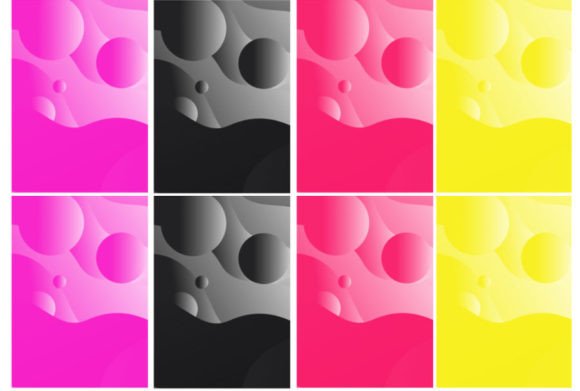
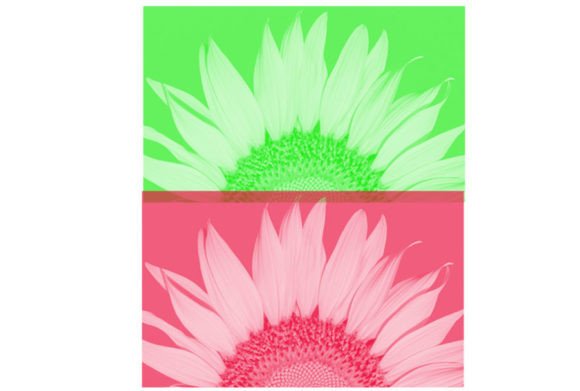
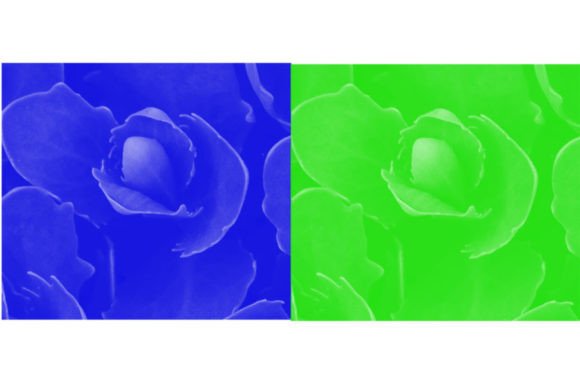
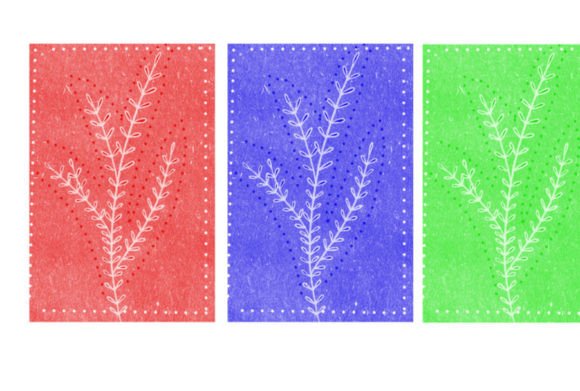
The modern creative industry is witnessing a significant shift away from sterile, vector-perfect aesthetics toward designs that possess tactile warmth and organic imperfection. Consumers and clients alike are increasingly drawn to visuals that feel human-made, even when they are digitally constructed. This trend reflects a broader cultural desire for authenticity in an age saturated with algorithmic content. Brush 43 addresses this need by offering a specific textural quality that mimics traditional media while retaining the flexibility of digital workflows. It allows designers to inject soul into their work without sacrificing the efficiency required in fast-paced business environments.
For freelancers and agencies, the ability to produce unique, hand-crafted looks quickly is a valuable market differentiator. When a marketer needs to create a social media campaign that stands out amidst a sea of polished corporate imagery, the subtle grain and pressure-sensitive dynamics of Brush 43 provide the necessary distinction. It is not just about drawing; it is about communicating a brand’s personality through texture. By integrating such specialized brushes into their toolkit, creators can meet the changing expectations of audiences who crave depth and character in visual storytelling.
Understanding the Technical Value of Brush 43
To fully appreciate the impact of this tool, one must look beyond its surface appearance. Brush 43 is engineered to respond intuitively to stylus pressure and tilt, enabling a range of expressions from delicate whispers to bold statements within a single stroke. This responsiveness is crucial for professionals who require precision without the friction of complex settings adjustments. In a workflow where time is currency, having a brush that "just works" allows the creator to stay in a state of flow, focusing on composition and concept rather than technical troubleshooting.
The integration of Brush 43 into existing software ecosystems is seamless, designed to complement rather than complicate. Whether used for intricate illustration, subtle photo retouching, or dynamic typography effects, its versatility makes it a staple for diverse creative tasks. Entrepreneurs who manage their own branding will find that this brush simplifies the creation of custom graphics, reducing reliance on stock assets and fostering a more cohesive visual identity. The tool empowers users to take ownership of their aesthetic, ensuring that every pixel serves a strategic purpose.
What’s Included in This Brush Set
When acquiring this resource, simplicity and accessibility are prioritized to ensure immediate usability. The package is designed for quick integration into your preferred digital art software. Here is exactly what you receive:
- The ZIP file: A compressed archive containing all necessary components for easy download and storage.
- .brushes or .swatches files: Compatible formats that ensure smooth installation across major creative platforms.
- 1 Brush: The core asset, meticulously calibrated for optimal performance and texture fidelity.
This streamlined inclusion list reflects a philosophy of quality over quantity. Rather than overwhelming users with hundreds of redundant variations, this set focuses on delivering one highly optimized tool that performs exceptionally well across various applications. It is a testament to the idea that a single, well-crafted instrument can be more valuable than a cluttered toolbox of mediocrity.
Aligning with Broader Industry Trends
The relevance of Brush 43 extends beyond individual preference; it aligns with several macro trends shaping the creative economy. First, there is the rise of the "creator entrepreneur," individuals who blend artistic skill with business acumen. These professionals need tools that are both powerful and efficient, allowing them to scale their output without compromising quality. Brush 43 supports this by enabling rapid iteration and high-quality results, essential for meeting client deadlines and market demands.
Secondly, the technology sector’s push towards more intuitive user interfaces influences how creative software is developed. Tools are expected to be intelligent and adaptive. Brush 43 embodies this principle by offering naturalistic behavior that reduces the learning curve for new users while providing the depth experienced artists require. This democratization of high-end textural effects means that small businesses and startups can achieve professional-grade visuals without extensive training or large budgets.
Furthermore, the lifestyle trend of mindfulness and intentional creation resonates with the use of such tools. In a world of constant digital noise, the act of creating with a responsive, tactile-like brush can be a grounding experience. It encourages slowing down and paying attention to detail, which often leads to more thoughtful and impactful design outcomes. For marketers, this translates into campaigns that feel considered and genuine, fostering deeper connections with their audience.
Practical Applications for Modern Creators
How does one effectively leverage Brush 43 in daily practice? Consider the following scenarios where this tool adds significant value:
- Brand Identity Development: Use the brush to add subtle texture to logos and brand marks, giving them a handcrafted feel that distinguishes them from competitors. This is particularly effective for artisanal products, eco-friendly brands, and lifestyle companies.
- Social Media Content: Enhance photographic backgrounds with organic strokes to create depth and interest. This technique helps images stand out in crowded feeds, increasing engagement rates.
- Digital Illustration: Employ Brush 43 for shading and detailing in character design or environmental art. Its pressure sensitivity allows for nuanced light and shadow play, adding realism and emotion to illustrations.
- Presentation Design: Add custom graphical elements to slide decks and reports. This breaks the monotony of standard templates and keeps stakeholders engaged during pitches and meetings.
Each of these applications demonstrates how a single tool can serve multiple functions across different aspects of a creative business. The key is to view Brush 43 not just as a drawing instrument, but as a strategic asset that enhances visual communication.
The Future of Specialized Digital Tools
As we look forward, the trend towards specialization in digital tools is likely to continue. Generalist software will remain foundational, but niche assets like Brush 43 will become increasingly important for professionals seeking to refine their unique voice. The market is moving away from one-size-fits-all solutions towards curated collections that cater to specific styles and needs. This shift empowers creators to build personalized workflows that maximize their strengths and minimize inefficiencies.
Moreover, the integration of such tools into collaborative environments is becoming smoother. Teams can share brush sets and presets to maintain consistency across projects, ensuring that all deliverables align with the established brand guidelines. This standardization of quality is crucial for agencies and larger organizations where multiple designers contribute to a single campaign. Brush 43, with its reliable performance and distinct character, serves as an excellent candidate for such standardized toolkits.
In conclusion, Brush 43 represents more than a simple digital addition; it is a response to the growing demand for authenticity, efficiency, and quality in modern design. By understanding its technical capabilities and strategic applications, professionals can elevate their work, connect more deeply with their audiences, and stay ahead in a competitive market. As the boundaries between traditional and digital art continue to blur, tools that bridge this gap with elegance and precision will remain indispensable. Embracing such resources is not just about keeping up with trends; it is about defining the future of your creative practice.