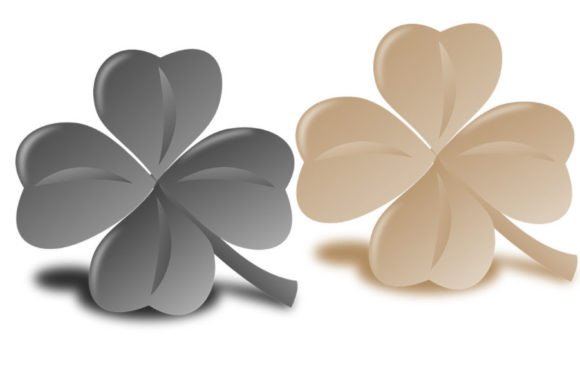
Integrating the Leaf Four Patel Brush into Professional Digital Workflows
In the realm of digital artistry and graphic design, the tools we select are not merely accessories; they are extensions of our creative intent. Among the myriad of assets available to modern creators, the Leaf Four Patel Brush stands out as a specialized instrument designed for precision and organic texture. For professionals ranging from freelance illustrators to marketing agencies, understanding how to effectively incorporate this specific brush into a broader workflow is essential for maintaining efficiency and achieving consistent visual quality. This article explores the practical application of the Leaf Four Patel Brush, examining its role in various stages of the creative process and offering actionable strategies for seamless integration.
Understanding the Asset and Its Core Utility
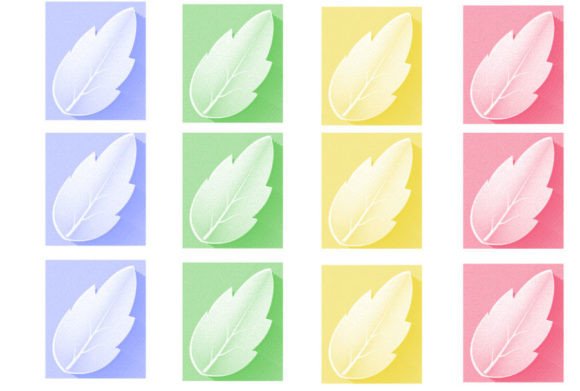
Before diving into implementation, it is crucial to define what the Leaf Four Patel Brush actually is within the context of digital production. Unlike generic round or square brushes, this asset is engineered to replicate the nuanced imperfections and structural details of botanical elements. When you acquire this tool, typically distributed as a digital package, you are receiving a highly calibrated instrument that saves hours of manual texturing. The standard delivery format often includes a ZIP file containing either .brushes or .swatches files, depending on the software ecosystem you utilize. Inside this archive, you will find one primary brush preset, meticulously tuned for immediate use.
The value of this single brush lies in its specificity. In professional workflows, time is a finite resource. Creating custom brushes from scratch requires significant experimentation with spacing, jitter, shape dynamics, and transfer settings. By utilizing the Leaf Four Patel Brush, creators bypass this trial-and-error phase. This allows designers to focus on composition and narrative rather than technical configuration. Whether you are working in Adobe Photoshop, Procreate, or Clip Studio Paint, the underlying principle remains the same: the brush serves as a reliable foundation for adding organic depth to otherwise flat digital compositions.
Pre-Production: Preparation and Compatibility Checks
Successful integration begins before the first stroke is made. The pre-production phase involves ensuring that your digital environment is ready to support the new asset. Upon downloading the ZIP file, the first step is organization. Create a dedicated folder in your asset library labeled "Botanical Tools" or "Specialty Brushes." Extract the contents carefully. If the file is a .brushes format, it is likely compatible with Adobe Photoshop or similar desktop applications. If it is a .swatches file, it may be intended for programs that utilize color or pattern libraries differently.
Compatibility is a critical factor often overlooked by hurried freelancers. Verify that your software version supports the specific brush engine used to create the Leaf Four Patel Brush. Older versions of design software may not render pressure sensitivity or texture overlays correctly, leading to inconsistent results. Once installed, perform a quick test on a blank canvas. Adjust the opacity and flow to understand how the brush interacts with your tablet’s pressure curve. This calibration step ensures that when you are in the midst of a client project, the tool behaves predictably. Consistency in tool behavior is paramount for meeting tight deadlines and maintaining professional standards.
Execution: Strategic Application in Creative Projects
During the execution phase, the Leaf Four Patel Brush can be deployed in several distinct ways, depending on the project’s requirements. For illustrators working on character designs, this brush is invaluable for adding environmental context. Instead of painting every leaf individually, which can result in a repetitive and artificial look, use the brush to establish base foliage masses. This technique creates a natural rhythm and variation that mimics real-world growth patterns.
In the context of marketing and branding, visual consistency is key. If you are designing packaging for an organic product or creating social media assets for a wellness brand, the Leaf Four Patel Brush helps reinforce the brand’s identity through subtle textural cues. Use it to create borders, background elements, or accent details that evoke a sense of nature and authenticity. The key here is moderation. Overusing any specialized brush can make a design feel cluttered. Apply the brush with intention, using it to guide the viewer’s eye or to soften harsh geometric lines inherent in digital layouts.
For educators and content creators, this brush can serve as a teaching aid or a stylistic signature. When producing tutorial videos or blog graphics, incorporating unique textures distinguishes your content from competitors who rely on stock assets. The distinct character of the Leaf Four Patel Brush adds a layer of craftsmanship that audiences subconsciously recognize as high-quality, human-made content. This aligns with the growing demand for authentic, non-generic visuals in digital media.
Post-Production: Refinement and Quality Control
The workflow does not end with the initial application. Post-production is where the true professional touch is applied. After using the Leaf Four Patel Brush to lay down textures or details, review the composition at different zoom levels. Look for areas where the brush strokes may appear too uniform or where the texture clashes with other elements. Use layer masks to blend the edges of the brush strokes seamlessly into the background. This step is crucial for achieving a polished, cohesive look.
Color adjustment is another vital aspect of post-production. The default color of the brush may not match your project’s palette. Utilize adjustment layers such as Hue/Saturation or Color Balance to harmonize the brush strokes with the overall image. This ensures that the Leaf Four Patel Brush enhances the composition without drawing undue attention to itself. The goal is for the texture to feel integral to the image, not pasted on top. Additionally, consider applying slight noise or grain to the entire composition to unify the digital brush strokes with any photographic elements present in the work.
Long-Term Workflow Integration and Maintenance
To maximize the return on investment for any digital asset, including the Leaf Four Patel Brush, it must become a habitual part of your toolkit. Regularly revisit the brush settings to explore new possibilities. Small adjustments to size jitter or angle dynamics can yield vastly different results, allowing you to adapt the brush to diverse projects over time. Keep a log of successful applications. Note which projects benefited most from this tool and why. This reflection helps build a mental library of use cases, enabling faster decision-making in future workflows.
Furthermore, consider how this brush interacts with other tools in your arsenal. Does it pair well with a specific watercolor brush? Does it contrast effectively with hard-edged vector shapes? Understanding these relationships allows you to build complex, layered compositions efficiently. For small business owners and entrepreneurs managing their own branding, having a go-to set of reliable tools like the Leaf Four Patel Brush reduces the cognitive load associated with design decisions. It streamlines the creation process, allowing you to produce high-quality visuals consistently without needing extensive design training.
Ultimately, the Leaf Four Patel Brush is more than just a digital file; it is a catalyst for creativity and efficiency. By understanding its technical specifications, preparing your workspace adequately, applying it strategically during execution, and refining the results in post-production, you can elevate the quality of your digital output. Whether you are a seasoned professional or a hobbyist looking to improve your craft, integrating this specialized tool into your workflow offers tangible benefits in terms of speed, consistency, and aesthetic appeal. Embrace the process, experiment with confidence, and let the tool serve your creative vision.