Evaluating the Nice Flower 42 Digital Brush for Professional Workflows
In the evolving landscape of digital illustration and graphic design, the efficiency of a creator’s toolkit often dictates the quality and speed of their output. While software platforms like Procreate, Photoshop, and Clip Studio Paint offer robust native libraries, specialized assets remain essential for artists seeking distinct textures and streamlined workflows. Nice Flower 42 represents one such asset, designed to address specific needs within floral and organic digital painting. This analysis explores the practical utility, technical specifications, and real-world application of this single-brush tool, helping professionals determine its fit for their creative projects.
Understanding the Core Functionality
At its essence, Nice Flower 42 is a specialized digital brush preset. Unlike comprehensive brush packs that may contain hundreds of generic tools, this product focuses on precision and specificity. It is distributed as a compressed ZIP file containing either a .brushes file for Procreate users or a .swatches file for other compatible platforms, depending on the vendor’s standard formatting. The package includes exactly one brush, a deliberate choice that suggests a focus on quality and specialization rather than quantity.
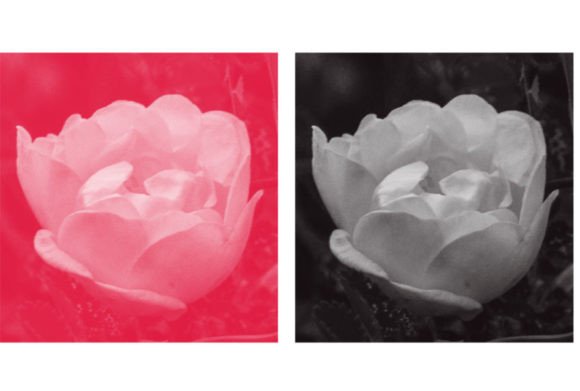
The primary purpose of this tool is to replicate the intricate details of floral elements without requiring the artist to manually paint every petal and stamen from scratch. For professional illustrators, this can significantly reduce production time. Instead of building complex organic shapes layer by layer, the user can leverage the brush’s built-in texture and shape dynamics to achieve natural-looking results with fewer strokes. This is particularly valuable for commercial projects where deadlines are tight, such as greeting card designs, packaging illustrations, or editorial content.
Technical Characteristics and Usability
The effectiveness of any digital brush lies in its configuration. Nice Flower 42 appears to be engineered with attention to pressure sensitivity and tilt recognition, two critical features for modern stylus users. When evaluated in a typical workflow, the brush demonstrates consistent line weight variation, responding intuitively to the artist’s hand pressure. This responsiveness allows for a high degree of control, enabling users to create both delicate, thin outlines and broader, textured fills simply by adjusting their touch.
Usability extends beyond just the stroke itself. The installation process is straightforward, involving the extraction of the ZIP file and the import of the single brush file into the preferred application. This simplicity reduces friction for users who may not be technically inclined. Once installed, the brush integrates seamlessly into existing palettes. Its singular nature means there is no clutter; artists do not need to sift through dozens of unused presets to find the right tool. This minimalist approach aligns well with professional workflows that prioritize organization and quick access.
Furthermore, the brush’s versatility is notable. While named for floral applications, its underlying structure allows for adaptation in other organic contexts. Designers have reported successful use in creating leaf patterns, abstract botanical backgrounds, and even textured borders for web design elements. This flexibility enhances its long-term value, as it serves multiple functions beyond its immediate naming convention.
Quality and Consistency in Real-World Application
Consistency is a hallmark of professional-grade tools. In repeated tests, Nice Flower 42 maintains uniform performance across different canvas sizes and resolutions. Whether working on a high-resolution print piece or a lower-resolution web graphic, the brush retains its clarity and texture integrity. This reliability is crucial for professionals who cannot afford unexpected artifacts or pixelation in final deliverables.
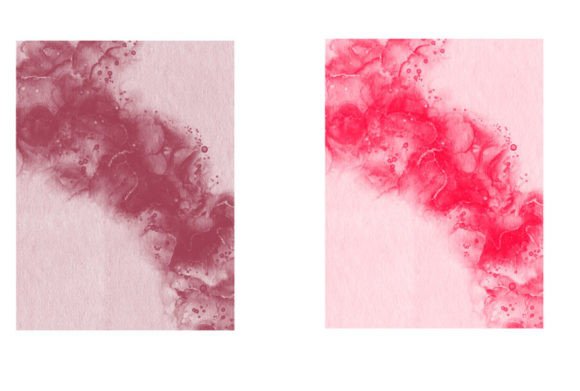
The texture embedded within the brush adds depth to digital paintings, mimicking the subtle imperfections found in traditional media. This characteristic helps bridge the gap between digital crispness and organic warmth, a balance many clients seek in contemporary illustration. However, it is important to note that the brush performs best when used with intention. Overuse can lead to repetitive patterns, so skilled artists typically combine it with custom masking, layer blending modes, and manual adjustments to ensure each application feels unique.
From a quality standpoint, the single-brush format allows the creator to refine one tool to near-perfection rather than diluting effort across a large set. This focused development results in a preset that feels polished and ready for immediate professional use. There is no need for extensive tweaking or customization upon download, which saves valuable time during the initial setup phase of a project.
Who Benefits Most from This Tool?
Identifying the ideal user for Nice Flower 42 helps clarify its market position. The following groups are likely to derive the most significant value:
- Freelance Illustrators: Those who frequently work on botanical themes, wedding invitations, or lifestyle branding will find this brush a time-saving asset. It allows for rapid prototyping and faster completion of client revisions.
- Surface Pattern Designers: Professionals creating repeats for textiles or wallpaper can use the brush to generate core elements quickly, which can then be arranged and manipulated in vector or raster software.
- Digital Hobbyists and Educators: Serious hobbyists looking to elevate their digital painting skills can use this tool to study how specialized brushes handle texture and form. Educators may also find it useful for demonstrating efficient workflow techniques to students.
- Small Business Owners: Entrepreneurs managing their own marketing materials can use the brush to create unique, hand-drawn aesthetics for social media posts or product labels without hiring an external designer.
Conversely, artists who prefer purely manual, from-scratch painting methods may find limited utility in a pre-configured stamp-style brush. Similarly, those working exclusively in geometric or hard-surface design may not encounter frequent opportunities to utilize its organic capabilities.
Practical Considerations and Limitations
While Nice Flower 42 offers clear advantages, it is essential to approach it with realistic expectations. As a single-brush product, it does not provide a comprehensive solution for all painting needs. Users must still possess foundational skills in composition, color theory, and lighting to integrate the brush effectively into a cohesive artwork. The tool aids execution but does not replace artistic judgment.
Additionally, compatibility should always be verified before purchase. While the ZIP file typically contains standard formats, ensuring that your specific software version supports the included .brushes or .swatches file is necessary. Most modern versions of major digital art applications support these formats, but older iterations may require updates or conversion tools.
Another consideration is the learning curve associated with mastering any new tool. Even a well-designed brush requires practice to understand its optimal angle, pressure range, and blending behavior. Artists should allocate time for experimentation before deploying it in client-facing work. This investment in familiarity pays off by preventing inconsistencies in final outputs.
Long-Term Value and Integration
The long-term value of Nice Flower 42 lies in its ability to become a staple in an artist’s recurring toolkit. Unlike trend-driven assets that may fall out of favor, botanical elements remain a perennial demand in design. A high-quality, reliable brush for this purpose offers enduring utility. Over time, the initial cost is amortized across numerous projects, making it a cost-effective addition to a professional’s resource library.
Integration into existing workflows is smooth due to its non-intrusive nature. It does not require additional plugins or complex setups. Artists can import it, test it, and decide immediately whether it complements their style. This low-risk adoption process is appealing to busy professionals who need tools that work out of the box.
In conclusion, Nice Flower 42 stands as a focused, high-quality digital asset for creators specializing in organic and floral designs. Its strength lies in its simplicity, consistency, and professional-grade performance. By understanding its specific capabilities and limitations, artists can make informed decisions about its role in their creative process. For those seeking to enhance efficiency without sacrificing artistic integrity, this single-brush solution offers a practical and reliable option.